
Programmierprojekte für die Schule
Organisatorisches
Über uns
Prof. Dr. Wolfgang Müller
Medieninformatik, PH Weingarten
Stefan Franke
Informatik, PH Weingarten & GMS Leutkirch
Ziele
Projektmethode
Als Unterrichtsmethode kennenlernen & anwenden
Didaktik
Wie vermittelt man Programmieren im Schulunterricht?
Vertiefung
Programmiersprache oder Microcomputer (Python, Arduino, ESP32, Calliope, Scratch)
Eigenes Projekt
Planen, durchführen & dokumentieren
Schulunterricht
Projekt für den Einsatz im Unterricht aufbereiten
Projektskizze
Erstellen & mit Dozenten abstimmen
Schülerperspektive
Sich in Schüler*innen hineinversetzen: Fehler, Probleme & Missverständnisse antizipieren
Methodik
Flipped Classroom
Aufgaben & Materialien während der Sitzung
Austausch & Diskussion
Gespräche & Reflexion im Plenum
Kollaboration
Git für Dokumentation (HedgeDoc als Tool)
Inputs
Fachliche Impulse — gerne auf Anfrage!
Makerspace
Freies Arbeiten an eigenen Projekten
Support & Begleitung
Individuelle Unterstützung, wann erwünscht
Zwei Perspektiven — durchgängiges Prinzip
🎓 Lehrkraft-Perspektive
Was Sie als zukünftige Lehrkräfte planen, vorbereiten und didaktisch aufbereiten
🧑🎓 Schüler-Perspektive
Die Rolle, die Sie einnehmen: Wo entstehen Fehler? Welche Fragen kommen auf? Was ist schwierig?
Beide Perspektiven begleiten Sie durch alle Phasen des Projekts.
Kursmaterialien & Kommunikation
Kursmaterialien: (PV & SL)
- moopaed: Programmierprojekte für die Schule (SoSe 2026) (Psw: pps_SoSe26)
- Homepage: franke-lab.de
Kommunikation:
- E-Mail: stefan.franke@ph-weingarten.de
Einbettung in das Studium: Master Höheres Lehramt
- Prüfungsform: Projektarbeit
- Prüfungsleistungen:
- Lauffähiges Programm + Dokumentation
- Schriftliche Planung eines Unterrichtsprojekts
- Zwischen- und Endpräsentation
Physik (Wahlfach)
- Anerkennung nach Absprache mit Herrn Zieris
Programmierumgebungen & Microcomputer
Programmierumgebungen:
- Arduino IDE
- Calliope — MakeCode / Roberta
- Python (+ Mu, Thonny, VS Code)
- Scratch
- TigerJython
- ...
Microcomputer:
- Arduino (Uno, Nano, Mega)
- Raspberry Pi
- ESP32
- Calliope mini
- micro:bit
Entscheidung abhängig von Thema, Klassenstufe und Schulkontext. Generell alle Programmiersprachen möglich!
Didaktische Grundlagen
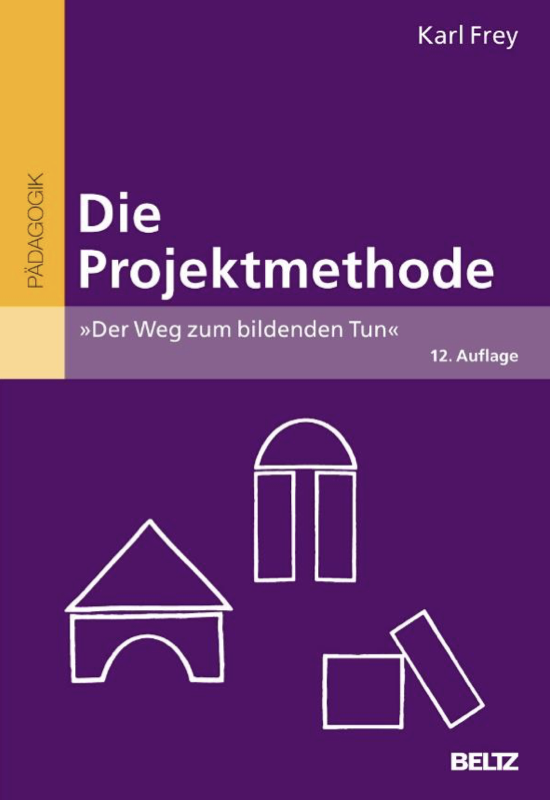
Projektmethode nach Frey
Projektinitiative → Skizze → Planung → Durchführung → Abschluss
Ähnlichkeiten finden sich auch in anderen didaktischen Modellen:
Creative Learning Spiral
Resnick (MIT/Scratch)
Imagine → Create → Play → Share → Reflect
Design Thinking
Stanford d.school
Empathize → Define → Ideate → Prototype → Test
Use-Modify-Create
Lee et al., 2011
Nutzen → Modifizieren → Eigenes erstellen
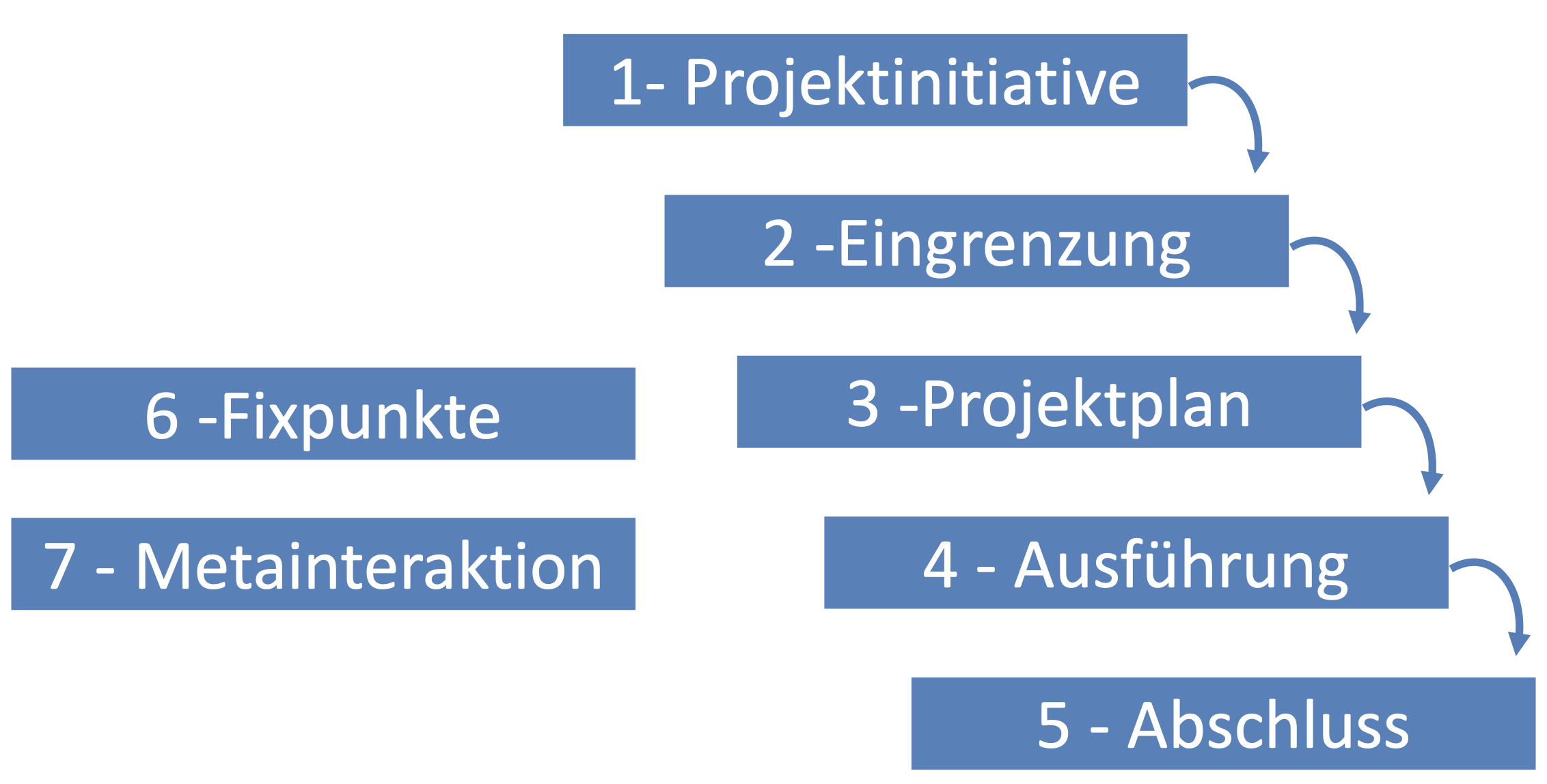
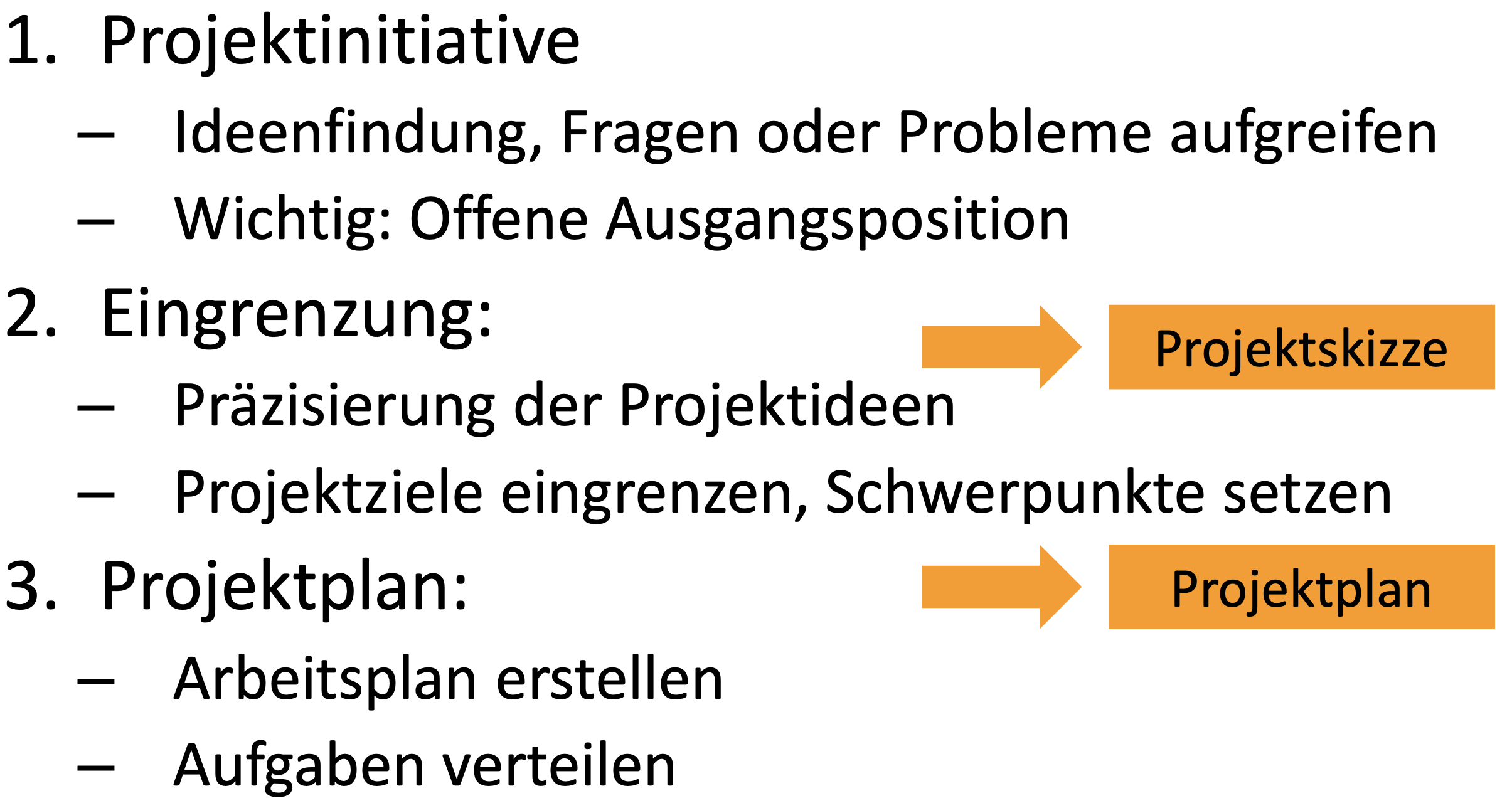
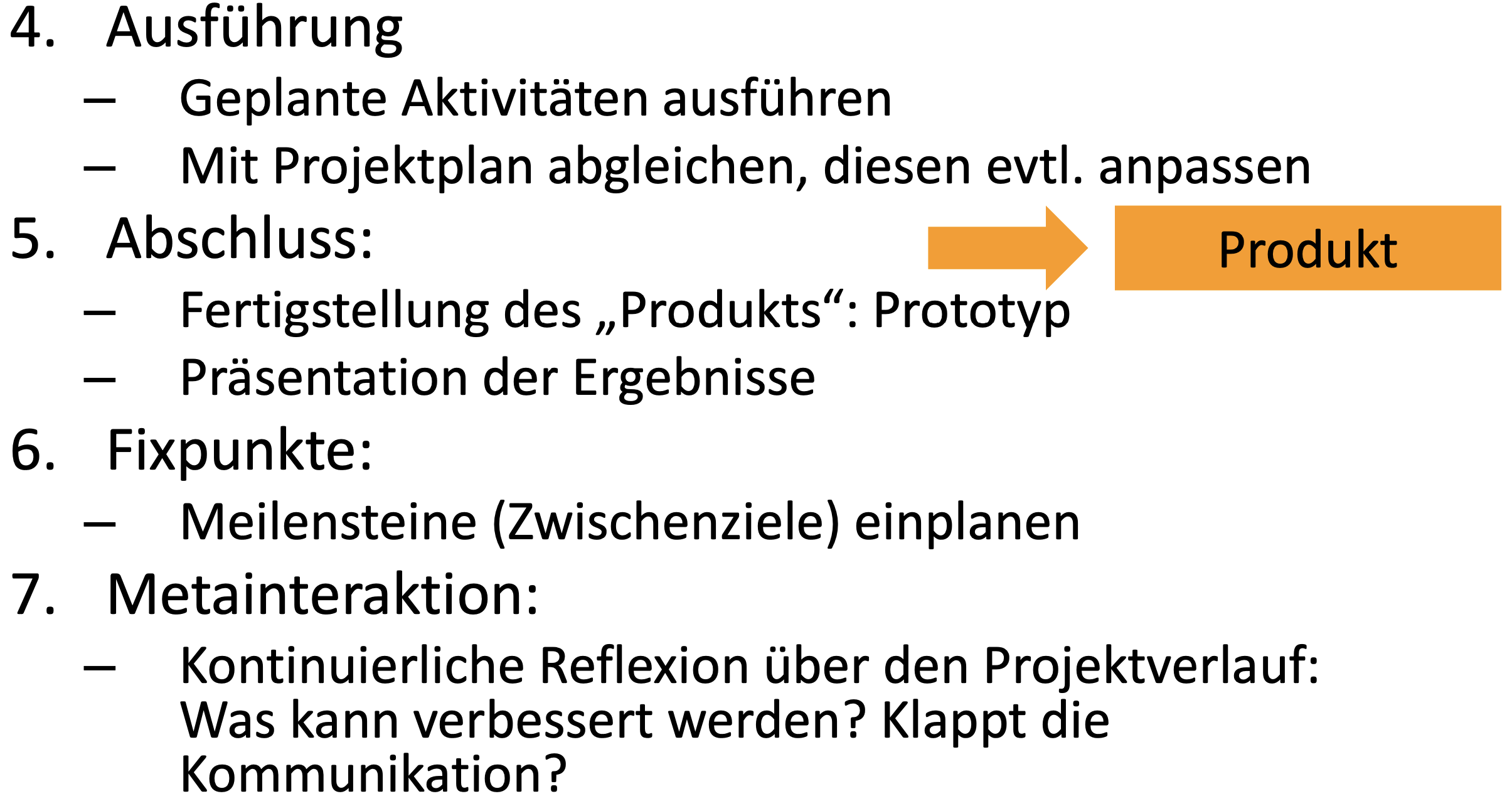
Projektmethode nach Frey — detailliert
Quelle: Ringel, HTW Dresden — htw-dresden.de
Ablauf der Veranstaltung — Übersicht
Vertiefung
- Teams bilden
- Thema & Umgebung wählen
- Schülerperspektive einnehmen
Präsentation
- Programmierumgebung vorstellen
- Kommiliton*innen einweisen
- Projektskizze präsentieren
- Projektplan erstellen
durchführung
- Artefakt umsetzen
- Dokumentation in Git
- Zwischenpräsentationen
präsentation
- Ergebnisse präsentieren
- Unterrichtskonzept vorstellen
- ggf. Ausarbeitung (Wahlfach)
Phase 1: Themenwahl & Vertiefung
🎓 Lehrkraft-Perspektive
- Teams bilden (2er-Teams)
- Thema definieren
- Verschiedene Programmierumgebungen & Microcomputer kennenlernen
- Entscheidung treffen: Welche Umgebung passt zu Thema, Klassenstufe, Kontext?
🧑🎓 Schüler-Perspektive
- Projektinitiative überlegen: offene Ausgangslage
- Fiktive Schülerfragen & -probleme einbeziehen
- Mögliche Fehler antizipieren
- Präzisierung der Projektidee & Schwerpunkte
Phase 2: Einführung, Planung & Präsentation
🎓 Lehrkraft-Perspektive
- Intensive Auseinandersetzung mit der Programmierumgebung
- Unterrichtsstunde vorbereiten
- Kommiliton*innen in die Umgebung einweisen
- Projektablaufplan erstellen
- Aufgabenplanung & Zeitmanagement
- Kurze Präsentation der Projektskizze
🧑🎓 Schüler-Perspektive
- Einführung in die Programmierumgebung erhalten
- Alle auf den gleichen Stand bringen
- Fiktiv: Gruppenbildung & -größe — was macht Sinn?
- Aufgabenverteilung an Schüler*innen
- Wo würden Schüler*innen hier Probleme haben?
Phase 3: Projektdurchführung
Größte Phase — mehrere Sitzungen
🎓 Lehrkraft-Perspektive
- Artefakt im Team umsetzen
- Dokumentation in Git
- Regelmäßige Zwischenpräsentationen
🧑🎓 Schüler-Perspektive
- Bei jeder Umsetzung überlegen: Wo hätten Schüler*innen Probleme?
- Typische Fehler & Missverständnisse dokumentieren
- Hilfestellungen & Scaffolding-Ideen entwickeln
Phase 4: Abschlusspräsentation
🎓 Präsentation
- Projektergebnis & Artefakt vorstellen
- Live-Demo
- Kurz auf Unterrichtskonzept eingehen
- Reflexion: Was lief gut, was würden Sie ändern?
📝 Wahlfach / Ausarbeitung
- Ausführlichere schriftliche Ausarbeitung
- Unterrichtskonzept detailliert
- Dokumentation & Reflexion
Fragen?
Themenwahl & Vertiefung
To Do’s heute:
- Tandempartner*in finden (empfohlen)
- Programmierumgebungen & Microcomputer anschauen
- Erste Erfahrungen sammeln — einfach anfassen & testen
- Schülerperspektive: Was könnte als Projektthema Sinn machen?
- Wichtig: Was interessiert Sie? — Intrinsische Motivation (Grundprinzip Projektmethode nach Frey)